Most modern tech success stories are stories of marketing. We are told to worship the "visionaries" who hold polished glass rectangles on stage while wearing expensive turtlenecks. But while those guys were busy optimizing ad revenue and locking users into walled gardens, Linus Torvalds was busy building the plumbing of civilization.
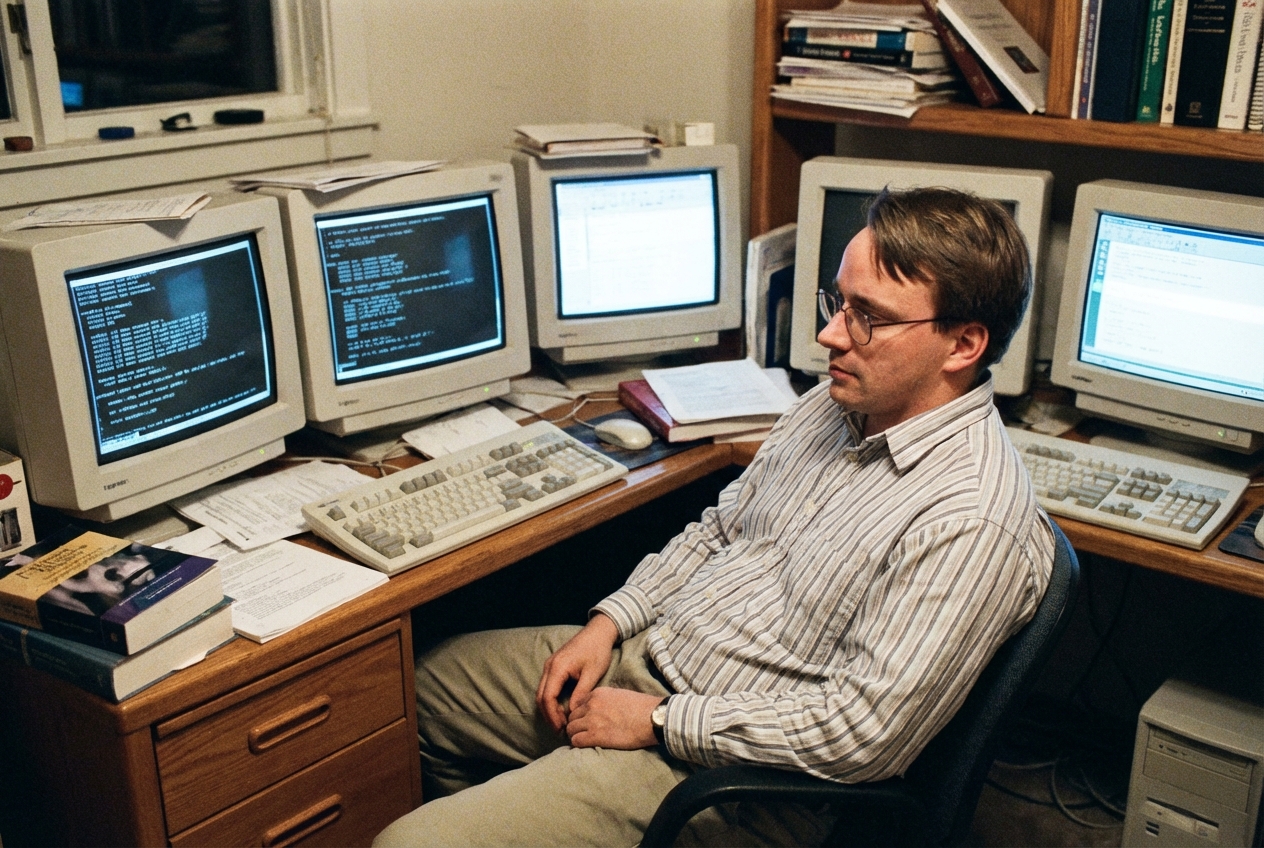
Torvalds recently turned another year older, and it’s worth acknowledging that he represents a breed of engineer that is effectively extinct. He didn't build Linux to "change the world." He built it because he wanted to tinker with his 386 and he didn't like the licensing terms of Minix. That lack of pretension is exactly why Linux won.
The Virtue of Saying No
We live in a feature-creep era. Every piece of software you own is currently trying to shove an AI chatbot into your face or harvest your telemetry. Linux remains the most stable, performant software on the planet because Linus is a master of saying "no."
His management style—the "Benevolent Dictator for Life" model—is often criticized by HR departments and corporate middle managers who prefer consensus-based mediocrity. But consensus doesn't build a kernel. Consensus results in Windows Vista. Linus’s willingness to be the abrasive filter for bad code is the only reason your web server doesn't crash every four hours. He treats code as a craft, not a product, and he treats engineers like professionals who should know better than to submit garbage pull requests.
Git Was the Real Flex
Everyone talks about the kernel, but we forget that when the proprietary version control system BitKeeper pulled their free tier, Linus didn't just complain. He disappeared for a weekend and wrote the initial version of Git.
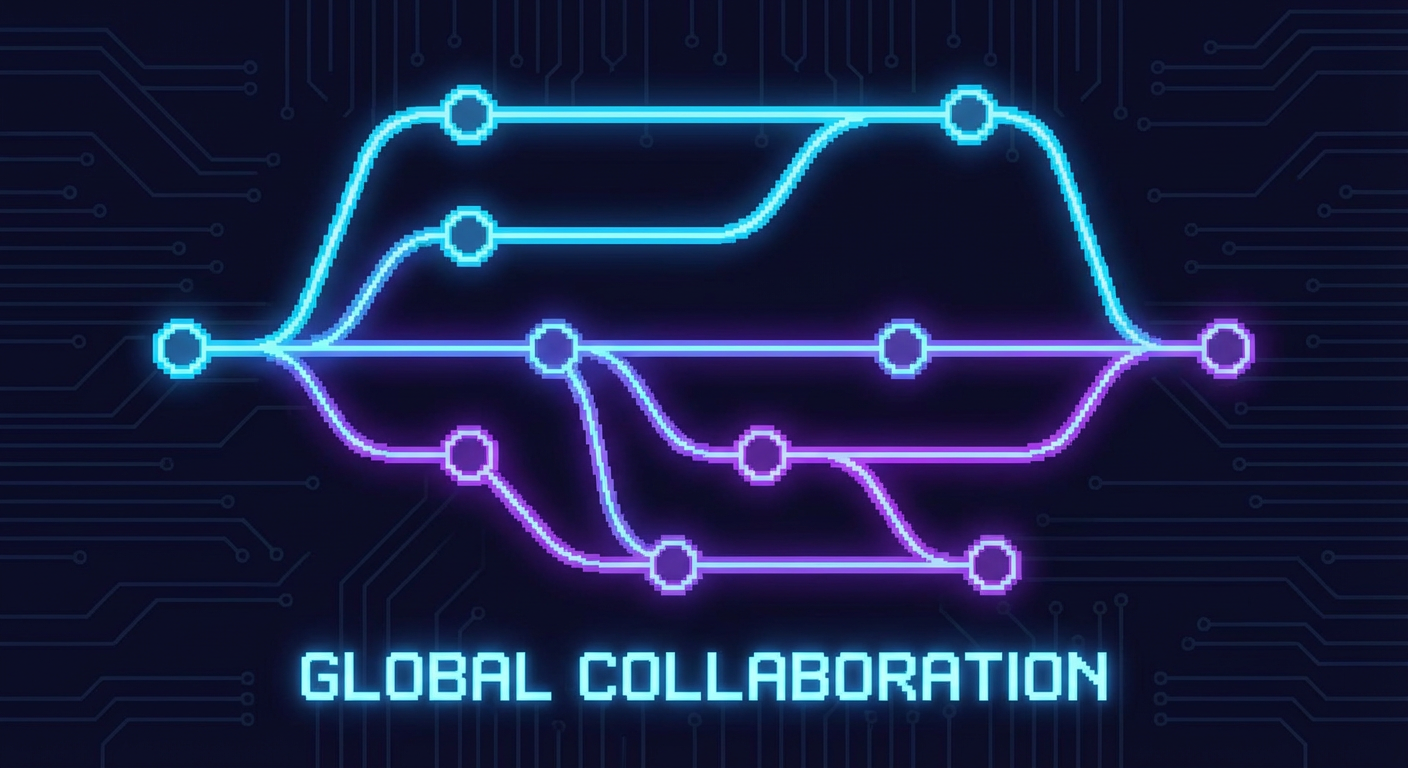
Think about the sheer audacity of that. Most developers would have spent six months in committee meetings choosing a replacement. Linus decided that every existing tool sucked, so he built a better one from scratch in a matter of days. Git has arguably done more to decentralize power in tech than any blockchain ever will. It turned the act of collaboration into a meritocracy where the best code survives, regardless of who wrote it.
The Reluctant Hero of Open Source
There is a specific kind of irony in the fact that the most anti-social, "not a people person" engineer created the world's most successful collaborative project. He didn't do it through charisma; he did it through technical superiority.
While Microsoft and Apple were building moats, Linus was building a foundation. Today, Linux runs the stock exchange, the internet, your Android phone, and the Mars rovers. It is the ultimate victory of the hobbyist over the monopolist. Linus stayed true to the code while everyone else sold out to the shareholders. He didn't want to be a billionaire; he wanted a version control system that didn't waste his time.
We don't need more CEOs with "disruptive" visions. We need more engineers who are willing to call out bad code and spend their birthdays making sure the world's infrastructure actually works. The tech industry would be a much more honest place if more people optimized for performance instead of optics.