The new Mozilla CEO, Enzor-DeMeo, recently said something that should terrify every Firefox user: he admits the company could block ad blockers in Firefox, estimates it would bring in another $150 million, but claims he "doesn't want to do that" because it "feels off-mission." That's not reassurance—it's a corporate executive putting a price tag on a core privacy feature. When a CEO publicly floats the idea of crippling ad blocking for profit, he's signaling that user autonomy is now negotiable against revenue targets.
This isn't about Mozilla making money. Every company needs revenue. It's about the specific threat to ad blocking—a feature that's no longer just about convenience but about security. Malvertising, tracking scripts, and invasive ads make ad blockers essential for safe browsing. Firefox's ability to run powerful extensions like uBlock Origin has been a defining advantage over Chromium's more restricted extension model. Taking that away would be a direct betrayal of the user trust Mozilla spent decades building.
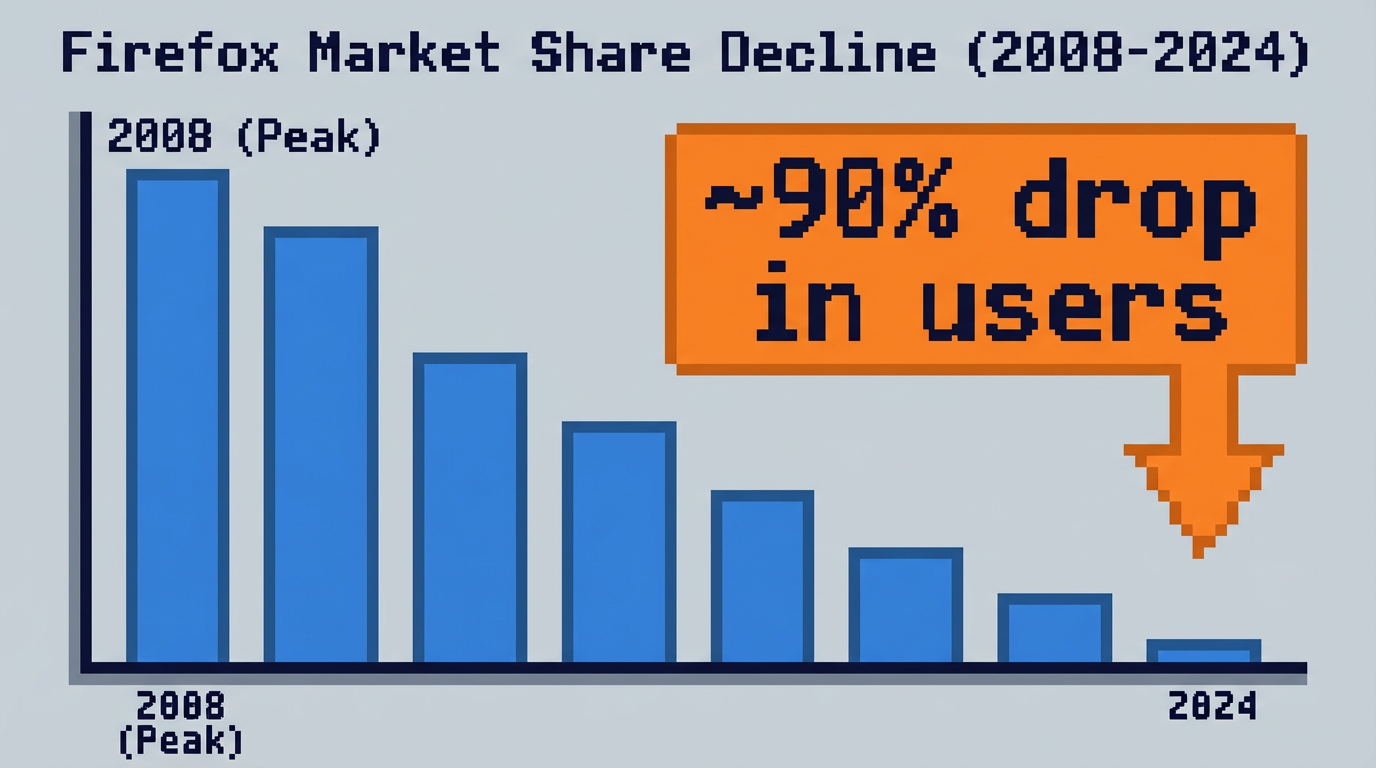
The Core User Base Is Already Eroding
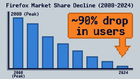
Mozilla's leadership seems disconnected from the people who made Firefox successful: the geeks and nerds who care about privacy, open standards, and control. These users have been leaving for years. The CEO's statement accelerates that flight. Why? Because it reveals that the company's financial strategists view user-hosted privacy tools as revenue obstacles. The moment you treat ad blocking as a line item in a revenue spreadsheet, you've stopped being a browser for principled users.
The discussion reveals a grim pattern: Mozilla rebranded itself as a "crew of activists," with the browser as a "side business to generate revenue." That inversion explains the corporate drift. When Brendan Eich was fired for political reasons years ago, that was the first major fracture. The new CEO's willingness to even mention disabling ad blockers is the final nail—it tells the remaining users they're no longer the priority.
This Is About Corporate Inflection, Not AI
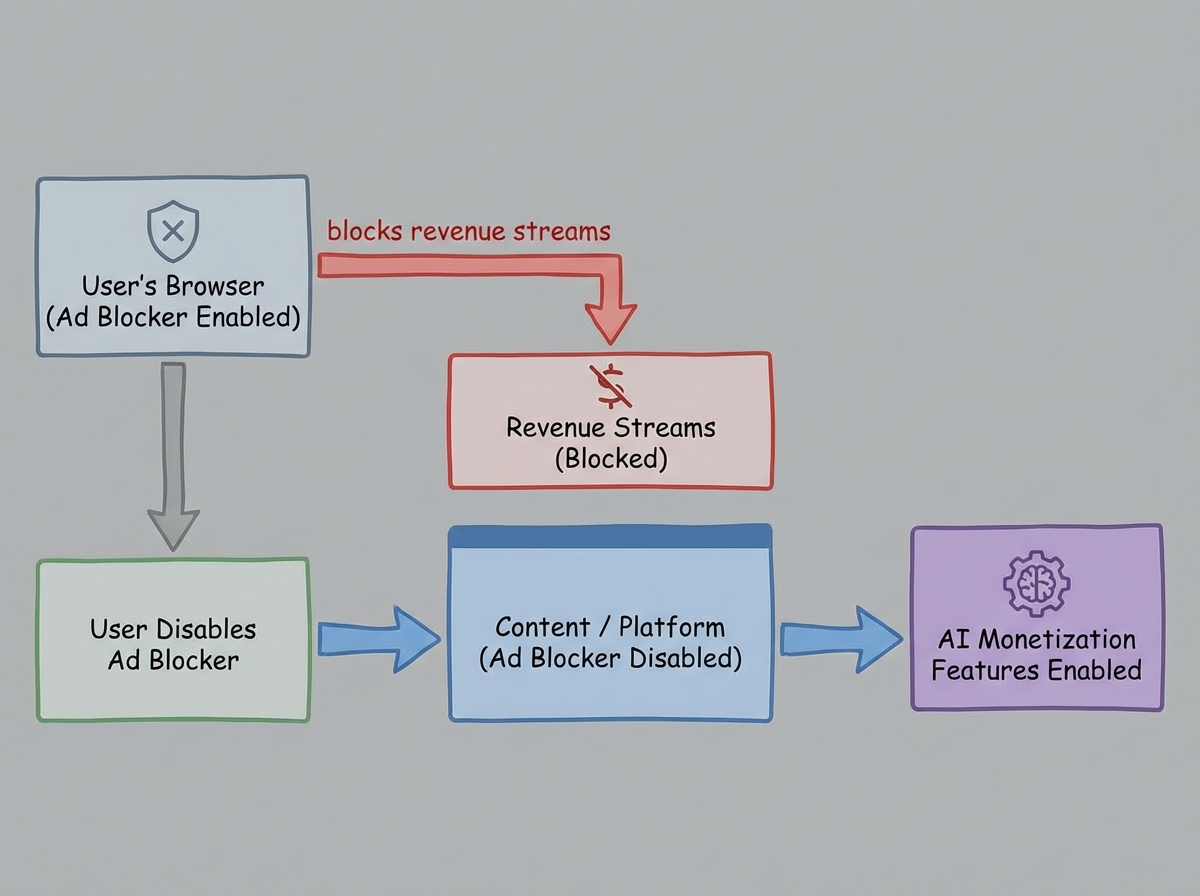
Some argue the CEO is just making a splash with AI features. That's naive. Disabling ad blocking aligns perfectly with an "AI Browser" strategy. AI features often rely on injecting third-party content, summaries, and product recommendations—exactly what ad blockers are designed to block. Network request and DOM blocking would negate those "value-added" services. So the threat isn't hypothetical; it's a logical next step if Mozilla pivots to monetizing user experience.
The Alternative Paths Are Clear and Already Being Discussed
The community isn't just complaining; they're mapping exits. Users mention switching to Librewolf, Orion, or hoping for a Vanadium port to desktop Linux. Others propose forks with a non-profit, donation-backed model—a Wikipedia-like approach where decisions are based on community feedback, not corporate balance sheets. There's recognition that if Mozilla won't defend the core features, then the core must defend itself elsewhere.
Mozilla's own product list shows the problem: most are repackaged partnerships (Mozilla VPN uses Mullvad, Monitor repackages HaveIBeenPwned). Would anyone pay for these when free alternatives exist? That lack of intrinsic value is why the CEO eyes ad blocking as a revenue lever.
The Conclusion Is Already Written
Firefox isn't dead, but its leadership is. The CEO's statement that disabling ad blockers could bring $150 million is a public acknowledgment that user autonomy is monetizable. For principled users, that's the end signal. The browser may continue, but the trust that defined it is gone. The only remaining question is how fast the community can fork a version that remembers why Firefox mattered.
When a CEO publicly prices your privacy tools, you're no longer the user—you're the product. And that's why the Mozilla conversation now shifts from "Will they?" to "What's next?"