In a tech industry obsessed with cost-cutting and automation, AWS CEO Matt Garman's dismissal of replacing junior developers with AI as "one of the dumbest ideas" is a breath of fresh air. While AI tools are transforming how we work, the rush to eliminate entry-level roles ignores fundamental truths about talent, innovation, and long-term success.
Juniors Are the AI-Native Workforce
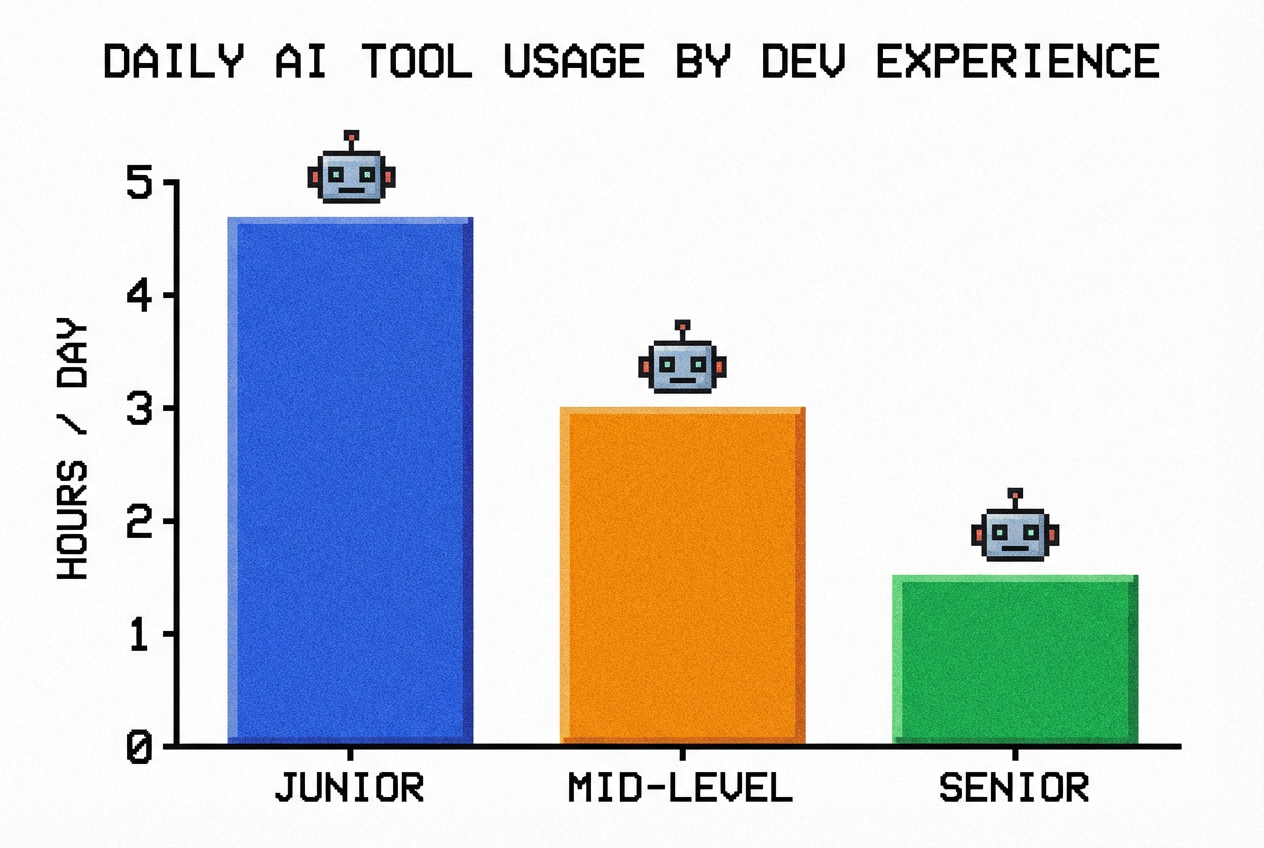
Contrary to the stereotype that senior developers lead technological adoption, juniors are often more proficient with AI tools. According to the 2025 Stack Overflow Developer Survey, 55.5% of early-career developers use AI daily, compared to lower rates among experienced peers. This isn't just about comfort with new tech; it's about a mindset. Fresh graduates have grown up in an era of rapid innovation, making them natural explorers of AI capabilities. They quickly integrate tools like GitHub Copilot or Claude into their workflows, finding efficiencies that seniors might overlook. For instance, a junior can use AI to collapse the search space for APIs, turning hours of trial-and-error into minutes of evaluation.
The False Economy of Cutting Juniors
On the surface, replacing juniors with AI seems like a smart cost-saving move. But as Garman points out, juniors are typically the least expensive employees, so the savings are marginal. More importantly, companies that have laid off workers expecting savings often end up increasing expenses or rehiring later. This short-term thinking can backfire spectacularly. True optimization requires a holistic view of expenses, not just targeting the lowest-paid roles. Moreover, juniors bring disproportionate value through their adaptability and fresh perspectives, making them a bargain for the innovation they inject.
Killing Your Talent Pipeline
Imagine a sports team that only hires veterans and never recruits rookies. When those veterans retire, the team collapses. The same logic applies to companies. Juniors are the future leaders, the ones who will grow into senior roles and sustain the organization. By cutting them out, companies sever their talent pipeline, leading to a future shortage of experienced staff. A Deloitte report highlights that the tech workforce is growing twice as fast as the overall U.S. workforce, underscoring the ongoing demand for talent. Without juniors, who will fill these roles in a decade?
AI Accelerates Learning, Not Replacement
The real power of AI isn't in replacing humans but in accelerating their growth. AI removes the humiliating, boring parts of junior work—like hunting for APIs or debugging boilerplate. This frees up time for meaningful learning, such as understanding system architecture and business context. Juniors using AI can ramp up faster, compressing tasks that used to take days into hours. This isn't deskilling; it's upskilling. Companies that leverage AI to mentor juniors will build a more robust, future-ready workforce.
The Path Forward
Instead of viewing AI as a replacement for juniors, smart companies will see it as a tool to enhance their development. Invest in junior talent, provide mentorship, and use AI to streamline their learning curve. This approach not only secures your talent pipeline but also fosters a culture of innovation. As Garman argues, juniors often bring the best ideas because they're unencumbered by legacy thinking.
In the end, the choice is clear: double down on junior developers, empower them with AI, and watch your organization thrive. Cutting them out for short-term gains is a recipe for long-term failure.