When Anna's Archive announced they'd scraped 256 million tracks from Spotify—300 terabytes of music ready for torrenting—they framed it as preservation. That's the polite fiction. In reality, this is the largest act of cultural data exfiltration in history, and it exposes the raw, ugly truth about our digital commons: everything is scrapable, nothing is safe, and the lines between preservation, theft, and research have collapsed entirely.
Preservation or Plunder? The Argument Collapses
The Anna's Archive team cites their mission to preserve "humanity's knowledge and culture." They point to gaps in existing music archives, the risk of budget cuts and platform decay. This isn't wrong. We've all seen songs vanish from streaming services due to licensing disputes, leaving grayed-out playlists and cultural amnesia. The intentional deletion of media is, as one observer rightly noted, a spiritual offense. But downloading 86 million copyrighted audio files isn't a library—it's a heist dressed in an archivist's robe.
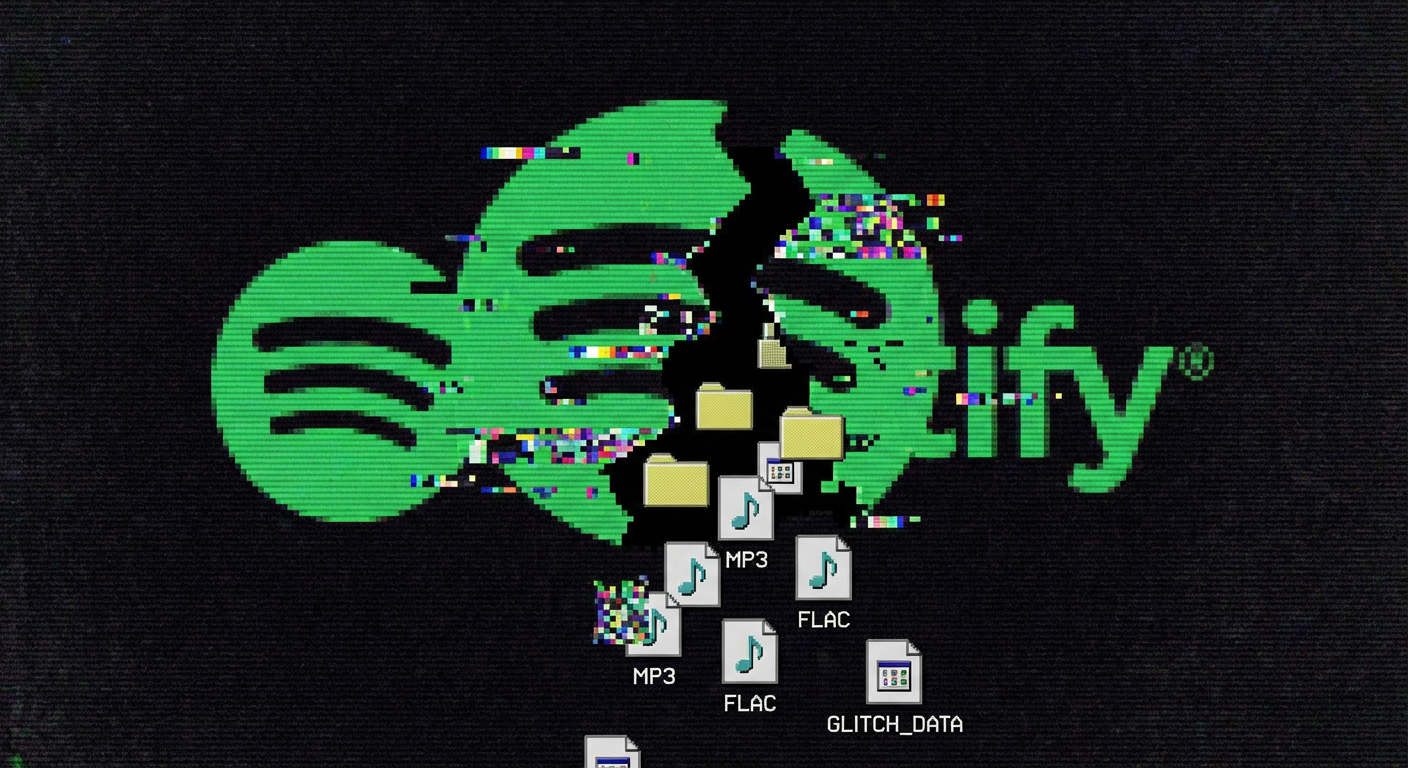
This effort is technologically staggering and philosophically bankrupt. It treats music purely as data, not as the product of labor. The archive's primary use case becomes painfully clear: it's a vast, unlicensed training dataset for AI. The argument that "music is already fairly well preserved" by enthusiasts collapses the moment you release the whole thing as bulk torrents. This isn't for the fan digitizing a rare B-side; this is for the machine learning engineer who needs 300TB of input.
The Convenience Gambit Has Failed
Spotify built its empire on a devil's bargain: infinite convenience in exchange for zero ownership. For years, we accepted that trade. Why bother with files when you have "all the music" at your fingertips? This archive proves that bargain was a lie. The infrastructure that provides convenience is also a single point of catastrophic failure—or, in this case, exploitation. When the platform can be wholly ingested and regurgitated by a third party, the value proposition of the platform itself evaporates. Spotify isn't a curator; it's a leaky pipe.
The emotional response in the discussion reflects this betrayal. There's rage at Spotify for pushing algorithmic slop and treating listeners like data points. There's disgust at the archive for monetizing this disillusionment under the guise of altruism. And there's a deep, unsettling confusion about what's even being preserved. Is it art, or is it just more training fodder for the slop machines?
This Isn't About Music Anymore
Look at the data they bothered to analyze: track length clustering at whole minutes (evidence of templated, possibly AI-generated content), the bizarre overrepresentation of psytrance and opera (likely due to metadata pollution and automated uploads). They've captured not just music, but the entire dysfunctional ecosystem—the bots, the spam, the filler. They're preserving the noise.
This archive is a monument to scale over quality, to quantity over meaning. It's the ultimate expression of the data-hoarder mentality, where the act of collecting becomes more important than the value of what's collected. The fact that it's grouped by popularity—the very metric that defines Spotify's attention economy—just underscores the irony. They're backing up the algorithm's output, not undermining it.
The Lines We've Crossed
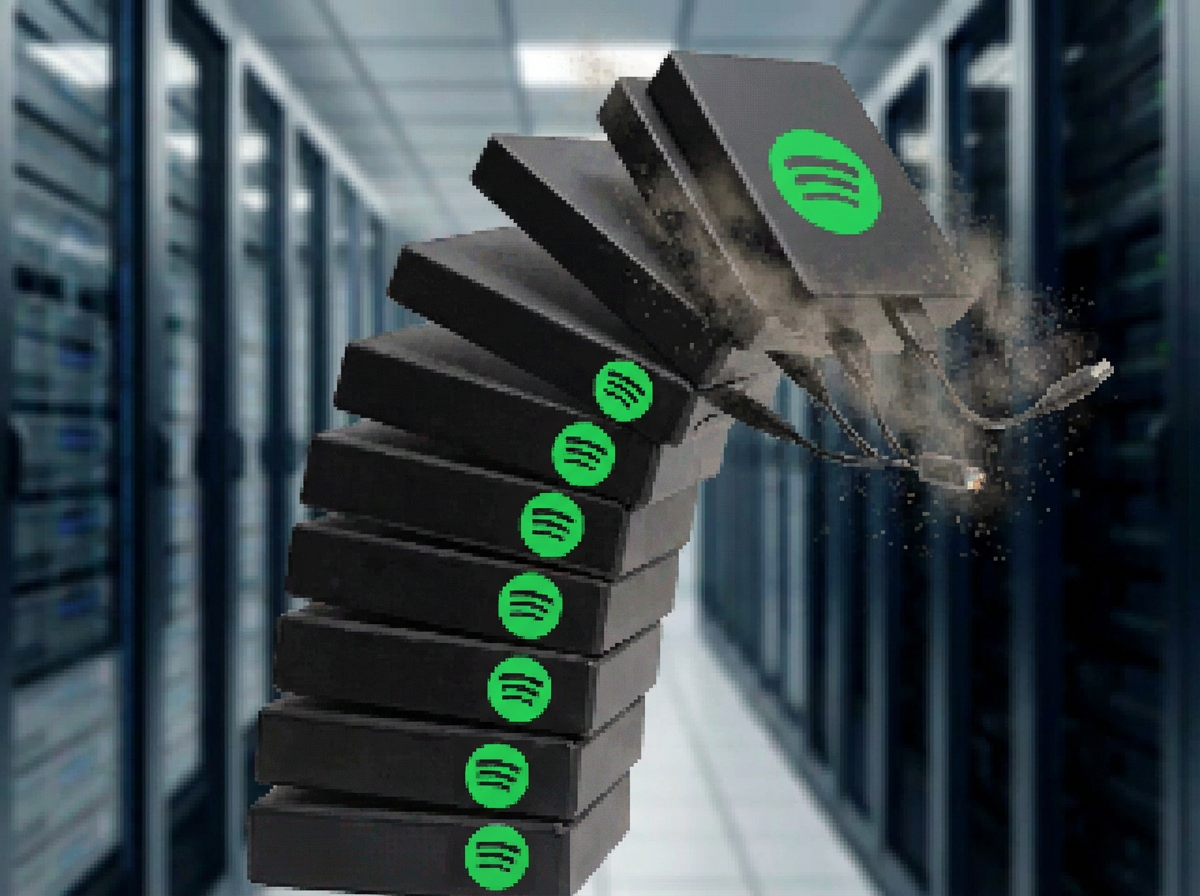
Some call this a necessary act of defiance against corporate control. That's naive. This isn't civil disobedience; it's a data dump. It provides no framework for artist compensation, no path for legal access, no sustainable model for cultural stewardship. It's digital extractivism, treating creative output as a raw material to be mined. The claim that this protects against "natural disasters, wars, budget cuts, and other catastrophes" is a hollow justification for what is, at its core, a violation of the basic compact between creator and audience.
The Spotify scrape is a symptom, not a cure. It reveals a world where culture has been reduced to consumable content, where preservation means copying the database, and where the only response to a broken system is to take everything and run. We've built a digital culture so brittle, so hostile to actual human creativity, that the only logical endpoint is a 300TB torrent file. This isn't a victory for music; it's an autopsy.