You should definitely pick this one up because it's a solid use of your time. It's a great read that delivers exactly what it promises.
This is a fantastic resource for anyone wanting to demystify what's actually happening beneath high-level abstractions like the JVM. Even though my daily work involves Java servers, diving into the low-level mechanics of system calls, signals, and socket implementation has been incredibly eye-opening. It's fascinating to see how complex 'simple' operations like file handling really are once you peel back the layers of the operating system. This book has significantly sharpened my understanding of Linux system programming and the performance-driven logic buried under modern libraries.
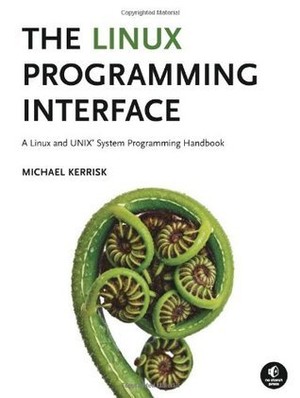
Michael Kerrisk has delivered an absolute masterpiece that serves as both a deep dive into Linux and a foundational text for computer science as a whole. It's an essential reference for anyone building systems software because the organization is flawless and the technical depth is unmatched. You won't find a better resource for truly mastering operating system principles.
This is a fantastic resource for anyone looking to get started with UNIX APIs. It's packed with practical examples that clearly demonstrate how to implement each function effectively.
This is a solid resource that offers a wealth of knowledge, though the sheer volume of material makes it difficult to test every single concept immediately. While the technical depth is impressive, the guide would benefit from a broader range of practical, real-life scenarios and expanded documentation specifically for BSD systems.
It took me quite a while to get through this for the first time. I'm planning to dive back in once I actually start coding in C on my laptop.
This book serves as a solid introduction to the vast array of system calls that define the Linux operating system. It's a worthwhile read for anyone looking to build applications that interface directly with the kernel.
This is easily the most impressive UNIX resource available, functioning perfectly as both a deep-dive guide and a quick reference. While the physical size is massive, the writing stays remarkably concise and the included code examples are top-tier. It's a comprehensive masterpiece that doesn't waste a single page.
This is hands down the finest programming book I've ever encountered. While I haven't read it cover to cover, it serves as an incredible reference guide because the author managed to be both exhaustive and concise. The writing is exceptionally clear and flows perfectly, making it a truly outstanding piece of work.
This is a comprehensive guide that bridges the gap between Linux architecture and C programming. It dives deep into the system's inner workings, making it an essential resource for anyone wanting to master low-level development.
This massive volume is an absolute masterpiece that serves as the definitive guide to the Linux API. While the sheer size of the book is intimidating, the clarity of the explanations and the logical organization make it surprisingly accessible for any developer. It's been incredibly helpful for my understanding of advanced topics like eBPF and performance tuning. You don't have to tackle all 1500 pages at once, as it works perfectly as a reference where you can dip into specific C examples when needed. Michael Kerrisk's expertise really shines through every chapter, making it clear why this is considered the gold standard in technical literature.
This book is a masterclass in UNIX internals that bridges the gap between hands-on experience and theoretical foundations. It turned my fragmented knowledge into a cohesive understanding, making complex system behaviors finally click. Even with my rusty college-level C, I found the explanations and code examples incredibly accessible. It's an essential resource for any developer who wants to stop guessing and start truly understanding how their tools function under the hood.
This guide is a top-tier resource for mastering the Linux API and C, even if a few sections show their age. While I skipped the outdated chapters on System V and specific file attributes that aren't as relevant today, the core lessons on multithreading and IPC are still gold. The hands-on exercises really help solidify the concepts through actual coding practice. It's a must-have for anyone building a serious foundation in system programming.
This reference is incredibly comprehensive and I'm finding it useful as I work my way through the pages. It's definitely impressive how much detail is packed into this volume.
This is easily the most comprehensive guide to programming interfaces available for any modern operating system. It's an essential resource for serious system designers and Linux enthusiasts alike, especially with the wealth of exercises included to help lock in the concepts. The subject organization is actually the best I've ever encountered in a computer science textbook. You should grab a copy immediately.
This stands out as the most impressive technical resource I've encountered to date. It's packed with such high-quality insights that I'm definitely keeping it on my shelf for reference over the next several years.
You absolutely have to pick this up because it's such a fantastic read. It's truly a masterpiece that everyone should experience at least once.
This guide is an essential resource that belongs on every developer's desk. It offers a comprehensive deep dive into the Linux ecosystem, covering everything from networking to IPC with impressive clarity. You'll find yourself constantly discovering new insights every time you crack it open.
It's a total doorstopper, but you won't regret the time spent reading it. Every single page felt necessary to the overall experience.
This guide offers a fantastic deep dive into Linux system APIs. It's an essential resource for anyone needing a thorough technical breakdown.
This is a definitive classic that belongs on every shelf. While the density makes a straight cover-to-cover read quite a challenge, the individual sections are surprisingly accessible for quick sessions. It's the perfect volume to keep handy for a deep dive or a brief reference during the day.
This is the absolute gold standard for anyone looking to master Linux programming. You won't find a more comprehensive or essential guide on the market.
This book is basically the ultimate Linux bible and it's exactly what I was looking for. The sections on process credentials and socket programming are incredibly detailed, plus the appendices on system calls and command-line parsing add a ton of value.
This is a definitive guide for anyone looking to master Linux programming from the ground up. It's a massive commitment that took me nearly a year to finish, but the depth of information makes every page valuable. I'm certain I'll be returning to the sections on sockets and linking whenever I need a refresher. The level of detail across all chapters is truly impressive.
This is the definitive resource for anyone seeking a Linux-equivalent to the classic Unix programming guides. It dives deep into the System API with excellent examples and practical tips, making it an essential addition to any systems programmer's shelf.
This is the definitive guide for anyone serious about C programming in a Linux environment. It covers an impressive range of practical topics while weaving in fascinating bits of Unix history. My only minor complaint is that it doesn't dive into the kernel's internal workings, but there are plenty of other resources for that specific niche.
This masterpiece took me over a year to work through, but every single page was worth the investment. It's easily the most thorough breakdown of computer science concepts I've ever encountered. What's truly impressive is how Kerrisk manages to keep the technical material so accessible and readable throughout.
This is easily one of the most impressive technical guides I've encountered. The way it breaks down complex concepts is truly top-tier.
I'm genuinely blown away by how No Starch Press consistently delivers such high-quality material. Even though this reference manual is incredibly thick and heavy, it's so fascinating that I actually read the entire thing from start to finish.
This is easily my top choice for Unix lore because of how comprehensive the coverage is. While it's clearly tailored for C programmers, the high-level overviews and diagrams make it a solid resource for anyone working in the environment.