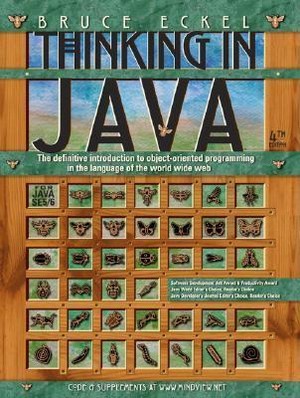
This book offers solid deep dives into anonymous classes and exceptions, but it's definitely not for novices since you'll need a background in Java or C++ to keep up. While the practical examples are handy, the author's disorganized approach to I/O and the confusing sections on generics and patterns really drag the experience down. It's also quite dated now, focusing on Java 1.6 while ignoring newer features like String-based switch statements found in version 1.8. Unless it gets a modern update to reflect current standards, it's hard to fully recommend despite the clever tricks it shares.
This book is a foundational masterpiece that shaped my understanding of software development from the very beginning. Even though I haven't spent much time coding in Java, the author's breakdown of object-oriented principles remains incredibly relevant to my daily work. It's a bit of a shame that my copy focused on Java 2, which meant I had to pick up modern features like generics on my own later. Still, the core concepts provided a rock-solid base that's lasted for years.
This serves as a solid Java primer, particularly for those transitioning from C++ since the author frequently compares the two. While the material is showing its age by focusing on Java 5, the explanations remain clear and engaging enough to provide a strong foundation. I skipped the final section on user interfaces to focus on more modern standards, but the rest of the book was definitely worth the time.
This is a solid read with plenty of vivid, detailed descriptions that bring the story to life. It's a shame the Russian translation feels a bit clunky, though, because it definitely distracts from the quality of the writing.
This book is massive because the author constantly veers off-topic to explore every tangential detail imaginable. It really should've been split into three separate volumes covering the core content, programming methodologies, and the miscellaneous filler. While the sheer breadth of topics like patterns and I/O is impressive, the poorly formatted code examples set a bad precedent for beginners.
This is a top-tier resource for anyone serious about mastering Java's core concepts. Even though it's an older title, the foundational knowledge it provides about how the language actually functions is timeless. You should definitely pick this up if you want a deep understanding of the mechanics.
This is a solid resource for mastering Java, but you should definitely stick to the original English version. The translated edition is unfortunately missing several sections because the publishers decided to cut the content down. It's much better to read the full text as the author intended.
This classic really shaped my understanding of object-oriented programming and Java fundamentals. Bruce Eckel has a fantastic writing style that makes complex concepts click, though the material definitely needs a modern update for today's standards.
This is the absolute gold standard for anyone working with Java. You won't find a more essential or comprehensive guide for your bookshelf.
This is a dense and challenging read, but it remains a fundamental requirement for anyone working seriously with Java. Even though some specific details might feel a bit dated since my university days, the core architectural patterns and techniques are truly timeless.
This is a solid resource if you're just starting out with Java basics. It covers the fundamentals well enough to get you up and running without much trouble.
This Java introduction is written well enough, but the concepts don't actually click easily. The exercises feel way too advanced for a total beginner, so it didn't end up being the helpful resource I'd anticipated.
Even after checking out the newer editions, I'm sticking with this version because it's just better. It weaves Java features together with essential development concepts like unit testing and best practices in a way that feels completely natural and easy to follow.
The material feels pretty behind the times, and the formatting makes the code snippets a nightmare to read. It's just too difficult to follow along when the layout is this messy.
This text definitely outshines the standard Java manuals from my college days, though the constant praise for Java 5 features really dates the material. It's a solid resource that unfortunately feels stuck in the past. If the content were updated to reflect more recent versions of the language, I'd easily bump up my rating by a star.
Even with my background in commercial Java development, this book managed to surprise me with several new insights. It's a solid choice for developers who are already coding but need to fill in those pesky knowledge gaps and organize their technical understanding. You'll find it particularly useful if you're looking to systematize what you've picked up on the job.
The opening fifty pages lay out a systematic philosophy that feels like a modern, playful twist on Pythagorean ideas following Aristotle's influence. Using the classical dialogue style, the author argues that forms aren't separate from matter but instead exist as seeds before they ever manifest. It's a fascinating look at how individual consciousness might actually be co-extensive across the entire universe.
This book offers an incredibly thorough deep dive into Java, covering everything from the basics to complex topics like reflection and type erasure. It served as a vital resource during my computer science studies and remains a standout technical guide. I'm still grateful I found this comprehensive manual years ago because it truly mastered the language's nuances.
This book was a decent read that introduced me to several unfamiliar concepts, though it definitely has room for growth. The concurrency chapter feels out of place and would likely work better as its own standalone volume. I'd also love to see more practical exercises focused on real-world applications to help solidify the material.
This is a fantastic resource that benefits everyone from total beginners to seasoned pros. It offers a unique perspective on code architecture and language mechanics that standard manuals just can't match. You'll definitely find your approach to design and object-oriented programming evolving after finishing this.
This is the perfect starting point for a curious beginner who's never touched a line of code, mainly because it isn't just another dry cookbook. While most classes force you to memorize symbols and tie you to a specific language, this book actually teaches you how to solve problems by explaining what's happening at the lower levels of your computer. The introductory chapter cleared up months of my confusion by providing the necessary context on how Java interacts with your hardware and the internet. It constantly references how your data and code work together, which prepares you to troubleshoot independently rather than just copying and pasting from the web. They really should have titled this 'Thinking in Code' because it focuses on the logic and mindset required for programming rather than just the syntax.
This polished Java guide excels at explaining the underlying logic of core concepts rather than just listing features, though the experience is definitely a mixed bag. The exercises feel like a chore because they rely too heavily on artificial examples, and the lack of syntax highlighting in the physical text makes the code snippets surprisingly difficult to parse. You'll get more out of this if you're already familiar with programming basics and choose to run the examples in an IDE instead of slog through the tedious end-of-chapter problems. It's a solid resource for deep understanding, even if some sections like inner classes are a bit of a struggle to digest.
Bruce takes a unique path compared to standard syntax-heavy guides by focusing on the underlying design and behavior of the language. Since I've been coding in Java for three years, I really appreciated how this book turned my rote habits into actual conceptual understanding through those frequent lightbulb moments. It's a dense, thorough deep dive into OOP principles that includes plenty of exercises, though the abstract nature of the examples can be a bit of a hurdle. You shouldn't pick this up as your very first coding book, but it's an essential tool for anyone looking to truly cement their foundational knowledge.
The pacing in this text is incredibly jarring because it jumps from elementary concepts to high-level architecture without any middle ground. Eckel seems to think learning happens on an exponential curve where you're suddenly expected to master stack calls right after learning what a variable is. It'd be a much better resource if the author either assumed a baseline of professional knowledge or simply slowed down the progression.
This serves as a solid introduction to the language. You'll find it's a great starting point if you're looking for your very first Java resource.
This is a fantastic resource for anyone looking to bridge the gap between basic Java knowledge and more advanced concepts. It really pushes learners to deepen their understanding of the language through practical application.
This is a fantastic resource for anyone looking to sharpen their Java skills and master concurrency. Rather than just listing syntax rules, it actually teaches you how to approach problems with a Java-centric mindset. The abundance of practical examples makes complex concepts much easier to grasp. It's definitely geared toward experienced developers though, as beginners might find the depth a bit intense.
Thinking in Java stands out as a solid resource for both juniors and middle-level devs who want to master object-oriented programming and design patterns. It covers everything from basic composition to complex patterns like Proxy and Strategy, though you'll probably want a dedicated design patterns book nearby for the theoretical diagrams. Keep in mind that translated versions are often heavily condensed compared to the thousand-page original. While the full English text can get a bit bogged down in chapters like Containers in Depth, it includes valuable extras like the Visitor pattern and practice exercises that the shorter versions skip.
Even though this guide focuses on Java 5, its ability to solidify your understanding of the language's core foundations is unmatched. The chapters on generics and concurrency are particularly brilliant, offering deep dives that make later updates feel like a breeze to learn. You'll find the structured exercises and detailed examples incredibly helpful if you're looking to master the fundamentals before moving on to the author's newer work.
This volume delivers deep insights through exceptionally detailed explanations that clarify complex topics. It's a rewarding experience and definitely worth your time.