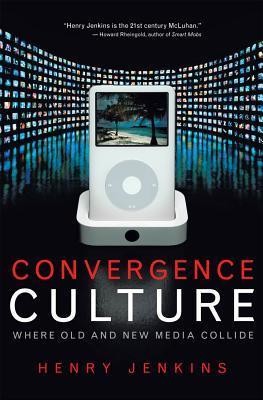
Convergence Culture: Where Old and New Media Collide
Henry Jenkins explores the complex intersection where traditional broadcasting meets the digital age. He moves beyond technical gadgets to examine how people use technology to reshape their relationship with entertainment. This study reveals a world where fans no longer just watch television but actively participate in its creation. Through examples like fan fiction and reality show spoilers, Jen…
Shelves
More like this
The Algorithm Design Manual
This volume helps take some of the "mystery" out of identifying and dealing with key algorithms. Drawing heavily on the author's own real-world ex…
Extreme Programming Explained: Embrace Change
“In this second edition of Extreme Programming Explained, Kent Beck organizes and presents five years’ worth of experiences, growth, and change re…
JavaScript: The Good Parts
Most programming languages contain good and bad parts, but JavaScript has more than its share of the bad, having been developed and released in a …
Clean Code: A Handbook of Agile Software Craftsmanship
Even bad code can function. But if code isn't clean, it can bring a development organization to its knees. Every year, countless hours and signifi…
The Phoenix Project: A Novel About IT, DevOps, and Helping Your Business Win
Bill is an IT manager at Parts Unlimited. It's Tuesday morning and on his drive into the office, Bill gets a call from the CEO. The company…
Building Microservices: Designing Fine-Grained Systems
Distributed systems have become more fine-grained in the past 10 years, shifting from code-heavy monolithic applications to smaller, self-containe…
The Art of Computer Programming, Volume 1: Fundamental Algorithms
The bible of all fundamental algorithms and the work that taught many of today's software developers most of what they know about computer program…
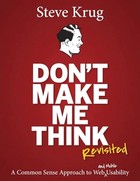
Don't Make Me Think, Revisited: A Common Sense Approach to Web Usability
Since Don’t Make Me Think was first published in 2000, over 400,000 Web designers and developers have relied on Steve Krug’s guide to help them un…
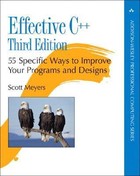
Effective C++: 55 Specific Ways to Improve Your Programs and Designs
The Barnes & Noble Review Since early in the 90s, working C++ programmers have relied on Scott Meyers s Effective C++ to dramatically improve …
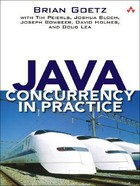
Java Concurrency in Practice
"I was fortunate indeed to have worked with a fantastic team on the design and implementation of the concurrency features added to the Java platfo…
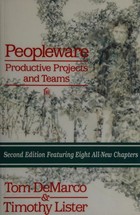
Peopleware: Productive Projects and Teams
Demarco and Lister demonstrate that the major issues of software development are human, not technical. Their answers aren't easy--just incredibly …

The Little Schemer
The notion that “thinking about computing is one of the most exciting things the human mind can do” sets both The Little Schemer (formerly known a…