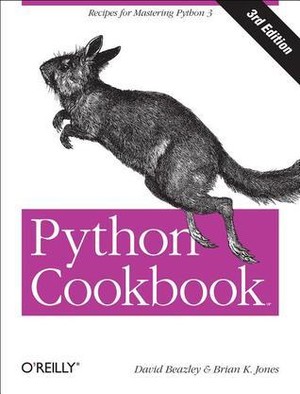
This is a fantastic resource that's become a staple in my workflow. I always have it pulled up in my browser while I'm working because the solutions are incredibly elegant and practical.
This was a pretty brief experience that didn't really offer much to dig into. It's basically just a quick greeting without any actual substance.
The instructions are incredibly vague and dangerous. I ended up with a total disaster in the kitchen because the steps weren't clear at all.
This guide covers every single detail you could possibly need. It's an incredibly thorough resource that doesn't leave any stone unturned.
This is a stellar resource that holds its own alongside Mark Lutz's classic texts. The concepts are presented with impressive clarity, and the author includes a wealth of engaging examples to reinforce the material. You should be aware that this isn't for beginners, as it targets intermediate learners and dives into some seriously advanced territory in the later chapters. It'll likely feel like a dense jungle if you're just starting out, but experienced developers will find it incredibly valuable.
This guide serves as a solid reference for anyone needing fresh ideas on implementing standard Python algorithms. You'll definitely need an intermediate grasp of the language to get much out of it, so beginners should probably look elsewhere. It's particularly handy as a refresher if you've been stuck working in Java or C++ for a long stretch and need to pivot back to Pythonic patterns.
This guide's going to be a huge help while I'm picking up Python. It's exactly what I needed to get started.
This is exactly what you need if you're looking to bridge the gap between intermediate Python skills and true advanced mastery. It's packed with a ton of practical, relevant examples that make the complex concepts much easier to grasp.
This is a fantastic resource for anyone looking to find efficient fixes for everyday issues. It's packed with practical advice that you can actually use right away.
This is a fantastic collection of Python idioms and recipes that's perfect for seasoned developers. It's especially helpful if you're looking to master the language's nuances without dragging in habits from other programming environments. You'll find it streamlines the learning process significantly.
This book is an absolute necessity for any serious developer's shelf because it serves as a flawless reference guide. While grinding through the entire thing cover to cover is a massive time commitment, the payoff for your workflow is huge. It effectively eliminates those blind spots regarding Python best practices that you didn't even know you had. You'll find yourself remembering specific techniques for things like package data loading right when you need them most. It's a dense read, but the value it adds to your coding intuition is undeniable.
This collection offers a solid variety of techniques that really help broaden your programming perspective, even if a few sections feel slightly behind the times. While you won't be flipping through these pages in the middle of a deadline, many of the patterns are simple enough to integrate into your daily workflow immediately. It's a worthwhile investment for anyone who's been using Python for a few years and wants to sharpen their skills.
While this was a top-tier resource back in 2013, the Python landscape has shifted too much for it to remain truly effective today. You're much better off picking up the author's more recent title, Python Distilled, which offers a superior organizational structure and updated content. It's simply more relevant for modern coding standards.
The technical writing here is top-notch because it stays concise while providing solid rationale and alternatives for every recipe. Even though it was published in 2013 and some of the advanced solutions feel a bit dated now, the organizational structure makes it a breeze to navigate. I walked away with plenty of new knowledge despite the age of the material. It's a real shame the author confirmed on Twitter that he won't be finishing an updated edition himself.
This is top-tier material for anyone looking to master Python, though you'll definitely need some prior experience to get the most out of it. The various recipes break down advanced concepts in a way that's incredibly practical for your daily workflow. It's a solid recommendation if you're serious about perfecting your skills.
This guide is a goldmine for anyone looking to master Python modules because it covers every essential tool with an impressive amount of practical examples. I discovered so many built-in functions I'd never heard of before, especially regarding date manipulation which can now be handled instantly rather than through tedious manual coding. The author's deep experience shines through in the variety of programming approaches provided, and implementing these techniques will definitely make your code run faster.
This book offers a fantastic deep dive into Python's more sophisticated features, covering everything from generators to clever string parsing tricks. The problem-solution format makes the dense material remarkably easy to digest, whether you're studying it systematically or just using it as a quick reference guide.
This serves as a solid reference guide that's worth revisiting, though I found myself skipping around to the most relevant chapters after finishing the first half. It really lacks a proper introduction for Python newcomers, so you'll definitely struggle if you don't already have a background in languages like Java or C++. Since the author doesn't bother explaining fundamental concepts like closures or lambdas, you'll need to look those up elsewhere before diving in.
This is easily the most fast-paced Python guide I've ever encountered because it cuts straight to the point without any fluff. The recipes offer a unique perspective on programming challenges, and working through the code really sharpened my intuition for the language. It's a total masterpiece that I enjoyed immensely, though my prior experience might've helped me keep up with the speed.
This Python 3 guide targets experts, but much of the content feels like common knowledge for seasoned developers. It's a decent reference if you're returning to the language after a break or need a tie-breaker when you're stuck between several different coding approaches. You'll find a few clever tricks you hadn't considered, making it a solid starting point for unfamiliar tasks.
This is a fantastic resource that deserves a permanent spot on your desk. The structure is brilliant, grouping chapters by technique and scaling the recipes from basic to advanced so even seasoned Pythonistas can find value. While it sticks to the standard library, it smartly points out third-party alternatives and uses cross-references to link complex concepts together. I'll definitely be revisiting this, especially for the sections on C extensions.
This massive collection of recipes spans everything from basic string manipulation to complex recursive descent parsers. While it focuses strictly on Python 3.3 and ignores backward compatibility, the content serves as an incredible repository of advanced idioms and professional techniques. I particularly appreciated the section on CSV handling because it balanced manual parsing logic with a strong argument for using established libraries. You'll definitely need a solid foundation in the language to get the most out of these pages, so beginners might want to tackle an introductory text before diving into this advanced guide.
This third edition isn't just a simple update; it's a total overhaul that serves as a vital mentor for anyone transitioning to Python 3. As someone focused on data science, I found that it brilliantly bridges the gap between basic syntax and the more sophisticated parts of the standard library like heapq and generators. It's the perfect reference for learning how to write elegant, idiomatic code instead of just hacking together a solution. While I miss the chapter introductions from previous versions, the practical recipes provide a level of depth you won't find in standard documentation. This book is essential if you want to stop fighting the language and start using it properly.
Coming from a Java background, I found this collection of recipes to be a bit of a letdown since it relies far too heavily on external libraries. It's frustrating to read through a solution only for the author to suggest using a different third-party tool anyway, and many simple concepts are unnecessarily padded out to fill several pages. While there's some useful content buried in there, the majority of the book just tells you to find a library rather than teaching you how to actually code the logic.
While the material is undeniably dense and a bit dry, it's a solid resource that I powered through from start to finish. It's definitely dated since it targets Python 3.3, meaning the sections on file manipulation are basically obsolete now that we have Pathlib. Despite the age, it forced me to confront the more complex aspects of the language I typically skip over. If you're aiming for deep expertise, this is a worthwhile challenge to take on.
This guide stands out as the definitive resource for mastering idiomatic Python 3. Even years after its release, it remains my top recommendation for anyone looking to write clean, efficient code. You should definitely pick up a copy and study it thoroughly because your programming skills will improve immensely.
This guide made picking up Python 3 feel incredibly natural, and I found myself applying new concepts to my projects without any extra effort. While a few of the niche applications went a bit over my head, it serves as a fantastic reference for a wide variety of coding scenarios.
This collection of recipes significantly leveled up my coding skills. Whenever Google or Stack Overflow failed to provide a solution, this book consistently delivered the answers I needed. It's become an essential resource for my development workflow.
This guide delivers a solid array of functional solutions for anyone looking to level up their Python skills. It's important to note that the cookbook title is just a clever metaphor for programming techniques, so don't expect any actual culinary advice involving reptiles. You'll find plenty of efficient ways to handle code, making it a great resource for developers who want to write more effective scripts.
This guide proved incredibly useful for expanding my knowledge of Python's core modules and unique language features. The deep dives into iterators, generators, and context managers were particularly enlightening because they highlight the specific ways Python differs from languages like Java. It's a solid resource that functions both as a learning tool and a reliable style reference for avoiding common coding pitfalls.