This guide perfectly balances the technical mechanics of Scikit-learn and TensorFlow with practical software engineering principles. I loved how the author avoids dry reference tables in favor of example-driven learning that builds real intuition for how models actually function. It covers everything from classic SVMs to modern deep learning, providing a solid roadmap for anyone starting their machine learning journey. You'll walk away with a clear strategy for attacking problems and a functional codebase to experiment with further.
Aurélien's guide truly earns its reputation as a top-tier resource, and after finishing my second pass, I'm already planning a third read-through to fully absorb the material. The initial section on machine learning algorithms is quite a hurdle due to the heavy math and dense terminology, but pushing through that complexity is essential for growth. Once you hit the deep learning chapters, the experience becomes incredibly rewarding as you build sophisticated models that mirror cutting-edge research. It's a brilliant deep dive that highlights the experimental nature of the field through its extensive citations. This book gives you the tools to build powerful systems, provided you're ready to put in the work to master them.
This machine learning manual is an absolute beast that you can't possibly digest in a single pass, so expect to circle back to the exercises frequently. Even though it's dense, I've walked away with significantly more knowledge than I had at the start. It really feels like the premier guide for anyone serious about getting started in the field, and I'll be diving back into its chapters very soon.
This book acts like a versatile toolkit for anyone diving into machine learning, covering everything from Scikit-Learn to more complex frameworks like TensorFlow. I found the deep dives into various libraries quite useful, though the advanced Keras sections were a bit beyond what I needed for my current projects. It's pretty funny reading the older chapters on NLP and LLMs now that ChatGPT has changed the game, but the core concepts remain solid.
This one is strictly for the hardcore fans or those with a very specific niche interest. It's definitely not going to appeal to a general audience.
This is hands down the most impressive resource for mastering machine learning basics that I've encountered so far. It's become my go-to recommendation for every single person I'm currently mentoring in the field.
I couldn't even make it through a third of this book before giving up. It was a complete waste of time and I definitely won't be revisiting it.
This is a fantastic resource if you're looking to get started with machine learning through Scikit-Learn. While the sections covering Tensorflow didn't quite hit the mark for me, the Scikit-Learn content is top-notch and worth the read.
I finished every single chapter of this book for a university course, so it's definitely going on my completed list. It was a mandatory read, but I'm counting it toward my goal anyway.
This textbook is a fantastic resource for anyone needing a clear overview of machine learning algorithms and their practical applications. The author hits that sweet spot between technical depth and hands-on utility, making the guide incredibly easy to follow. You'll just need some Python skills and basic statistics to dive into the examples using scikit-learn, TensorFlow, and Keras. Plus, the GitHub repository makes it a breeze to run the Jupyter notebooks in Colab.
This is a solid resource for anyone wanting to grasp Python's role in data science. It's organized well enough that you can quickly flip to specific sections when you're stuck on a project. If you're coming from a different scientific background and need a bridge into this field, you'll find it incredibly useful.
This is hands down the best starting point for anyone diving into machine learning. It focuses entirely on practical application through hands-on examples rather than getting bogged down in complex mathematical proofs. Make sure you grab the second edition though, as the updated Keras and TensorFlow content is essential for modern projects.
Despite my friends teasing me for reading a textbook required for my course, this machine learning manual is an absolute gem that deserves every bit of its five-star rating. It manages to explain complex technical concepts without being condescending, and the included Python code was instrumental in helping me complete my project on heart attack risk prediction. If you're looking for a resource that's both deeply technical and incredibly accessible, you should definitely pick this up.
This guide is fantastic because it builds a solid foundation before diving into the complex, high-level material. You'll find that the progression feels natural and everything's explained with great clarity.
This is a fantastic resource, though it's definitely not the right choice for someone looking for a basic introduction to machine learning. You really need to have your math skills polished and commit to working through the exercises to get any real value out of it.
This is easily one of the premier resources available for anyone diving into machine learning. Even after just finishing the first nine chapters for my research, I've found the advice to be top-tier and the examples incredibly helpful.
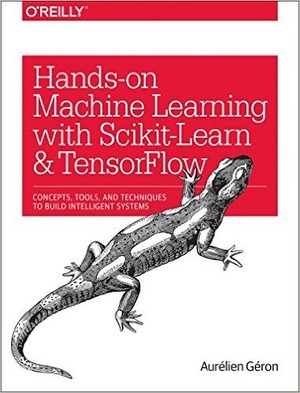
This is hands down the top machine learning resource out there because it balances core concepts with hands-on application perfectly. The illustrations are absolutely stunning and elevate the entire learning experience to something special. It's rare to find a technical guide that's also a genuine work of art.
This book serves as a comprehensive deep dive into both the theoretical foundations and practical applications of machine learning. It's versatile enough to function as a step-by-step guide or a quick reference manual, though it's also engaging enough for a casual browse.
This is hands-down the top resource available for anyone wanting to master the field. The Python examples are incredibly straightforward, and the content stays remarkably current by including everything from basic linear regression to cutting-edge neural networks. You've got to add this one to your collection if you're serious about the subject.
This book offers an exceptional deep dive into the machine learning landscape. It's been incredibly helpful for narrowing down the essential techniques needed to develop practical, high-quality models.
This guide serves as a fantastic practical manual for machine learning, offering much more depth and hands-on code than Andrew Ng’s similar titles. It reads like well-organized documentation, which is perfect for learning the specific terminology needed to navigate the field effectively. While some sections felt repetitive because I already have experience with Keras, the author strikes a great balance by highlighting essential examples without getting bogged down in every single module. It’s a solid reference that I’ll definitely return to when I need to deploy models or swap out classifiers in Scikit-Learn. Beginners will find it incredibly accessible, and even experienced users will appreciate how it demystifies the transition to TensorFlow 2.0.
This text stands out as a premier resource for both academic study and practical application within the evolving landscape of artificial intelligence. Géron's professional background at Google lends the material immense credibility, especially as he navigates complex topics like Support Vector Machines and deep learning architectures using industry-standard tools like Scikit-Learn. The integration of functional Python code via Jupyter notebooks makes it an exceptional pedagogical tool that bridges the gap between theoretical math and real-world implementation. It's easily the most comprehensive guide I've encountered among the recent influx of machine learning literature.
This guide serves as a fantastic entry point for anyone curious about machine learning, regardless of whether they have a coding background or not. The authors wisely encourage readers to push through the complex mathematical sections to grasp the bigger picture of data accumulation and model selection. It's particularly insightful regarding how modern breakthroughs in optimization and autoencoders have revolutionized the field, making training faster than ever before. You'll get hands-on experience with Scikit-Learn and TensorFlow, which helps demystify the process of tweaking parameters for specific models. Since the book emphasizes that high-quality labeled data is the most critical asset for any neural network, it's a must-read for those looking to understand the practical side of AI development.
Since I was already familiar with the core concepts, I spent most of my time digging into the advanced TensorFlow sections. It's a solid resource that would've been a lifesaver for me a few years back. The reinforcement learning chapter at the end was definitely the highlight because the examples are incredibly practical and easy to follow.
After months of drowning in theory without knowing how to actually start a Kaggle project, this book finally provided the practical framework I needed. It strikes a perfect balance by keeping the math and coding focused on implementation rather than getting bogged down in unnecessary details. The second chapter's workflow is a game-changer for connecting abstract concepts to real-world applications. If you're struggling to bridge the gap between study and practice, you've got to work through the exercises in this guide.
This guide offers a fantastic, visually-driven introduction to essential machine learning concepts while staying grounded in practical tools like Scikit-Learn and TensorFlow. It does a great job of demystifying the field by moving past sci-fi tropes to explain how things like spam filters and recommendation engines actually function. You'll get a solid look at everything from supervised mainstays like SVMs and Random Forests to unsupervised techniques like PCA and clustering. It's a sensible, well-structured resource for anyone wanting to understand the mechanics behind the algorithms.
This guide is a tale of two halves, offering an exceptional deep dive into scikit-learn that serves as a perfect reference for both theory and practice. While the initial sections are stellar, the transition into TensorFlow feels clunky and lacks the clarity found in Chollet's Keras-focused alternative. You should definitely grab this for the machine learning fundamentals and Jupyter examples, but look elsewhere for deep learning instruction.
This guide provides a solid foundational workflow for tackling data problems, though the TensorFlow sections felt a bit rushed and could have used more depth. I really wanted a deeper dive into convolutional layers and RNNs to round out the technical coverage. On the bright side, the chapter dedicated to reinforcement learning was fascinating and stood out as a highlight.
This is hands down the top resource for anyone diving into machine learning. The writing is incredibly clear, and the author uses actual data sets for the examples, which makes a huge difference. You'll find the first half covers the basics while the second half really digs into deep learning. It's the perfect companion piece if you're currently taking an online course on the subject.
This is easily a top-tier machine learning resource that balances Scikit-Learn and TensorFlow implementation with just the right amount of mathematical theory. I went through every single page and found the deep dives into practical application incredibly valuable for my workflow.