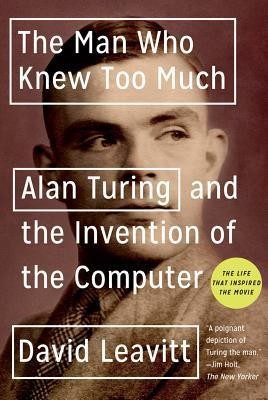
The Man Who Knew Too Much: Alan Turing and the Invention of the Computer
David Leavitt delivers a sensitive and meticulous portrait of Alan Turing, the visionary mathematician whose theoretical work laid the foundation for the digital age. This biography explores how Turing transitioned from proposing an abstract universal machine to building the physical hardware that cracked the Enigma code during World War II. Leavitt balances technical explanations of complex logi…
Shelves
More like this
Programming Perl
Perl is a powerful programming language that has grown in popularity since it first appeared in 1988. The first edition of this book, Programming …
Dreaming in Code: Two Dozen Programmers, Three Years, 4,732 Bugs, and One Quest for Transcendent Software
Their story takes us through a maze of dead ends and exhilarating breakthroughs as they and their colleagues wrestle not only with the abstraction…
A Discipline of Programming
Clean wraps, corners square, lay flat. No creases to the spine, or hinge. Small frayed spot at the top of the spine. No previous owner's name, no …
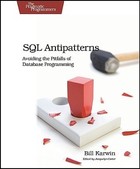
SQL Antipatterns: Avoiding the Pitfalls of Database Programming
Bill Karwin has helped thousands of people write better SQL and build stronger relational databases. Now he’s sharing his collection of antipatter…
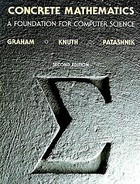
Concrete Mathematics: A Foundation for Computer Science
Concrete Mathematics is a blending of CONtinuous and disCRETE mathematics. "More concretely," the authors explain, "it is the controlled manipulat…
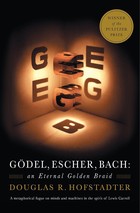
Gödel, Escher, Bach: An Eternal Golden Braid
Douglas Hofstadter's book is concerned directly with the nature of “maps” or links between formal systems. However, according to Hofstadter, the f…
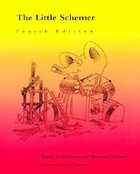
The Little Schemer
The notion that “thinking about computing is one of the most exciting things the human mind can do” sets both The Little Schemer (formerly known a…
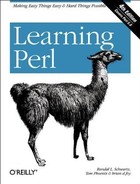
Learning Perl
Learning Perl , better known as "the Llama book", starts the programmer on the way to mastery. Written by three prominent members of the Perl comm…
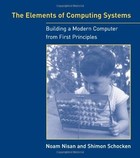
The Elements Of Computing Systems: Building A Modern Computer From First Principles
The best way to understand how computers work is to build one from scratch, and this textbook leads learners through twelve chapters and projects …
You Don't Know JS: Scope and Closures
No matter how much experience you have with JavaScript, odds are you don't fully understand the language. This concise yet in-depth guide takes yo…
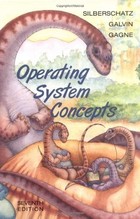
Operating System Concepts
The tenth edition of has been revised to keep it fresh and up-to-date with contemporary examples of how operating systems function, as well as enh…
Think Like a Programmer: An Introduction to Creative Problem Solving
Rewire your brain Examples in this book are written in C++, but will improve your ability to think like a programmer in any language. <…