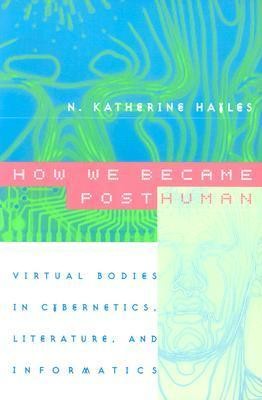
How We Became Posthuman: Virtual Bodies in Cybernetics, Literature, and Informatics
N. Katherine Hayles tracks the historical transformation of humanity into the posthuman, exploring how we began to view information as something separate from the physical body. She examines the evolution of cybernetics and the cultural shift toward seeing humans as information-processing systems. By looking at the history of technology and science fiction, Hayles explains how the concept of the …
Shelves
More like this
Peopleware: Productive Projects and Teams
Demarco and Lister demonstrate that the major issues of software development are human, not technical. Their answers aren't easy--just incredibly …
Introduction to Algorithms
A comprehensive update of the leading algorithms text, with new material on matchings in bipartite graphs, online algorithms, machine learning, an…
Coders at Work: Reflections on the Craft of Programming
Peter Seibel interviews 16 of the most interesting computer programmers alive today in Coders at Work, offering a brand-new companion volume to Ap…

Head First Design Patterns
You're not alone. At any given moment, somewhere in the world someone struggles with the same software design problems you have. You know y…
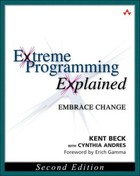
Extreme Programming Explained: Embrace Change
“In this second edition of Extreme Programming Explained, Kent Beck organizes and presents five years’ worth of experiences, growth, and change re…
Pro Git
Git is the version control system developed by Linus Torvalds for Linux kernel development. It took the open source world by storm since its incep…

The Mythical Man-Month: Essays on Software Engineering
Few books on software project management have been as influential and timeless as The Mythical Man-Month. With a blend of software engineering fac…
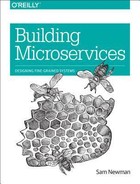
Building Microservices: Designing Fine-Grained Systems
Distributed systems have become more fine-grained in the past 10 years, shifting from code-heavy monolithic applications to smaller, self-containe…
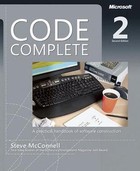
Code Complete: A Practical Handbook of Software Construction
Widely considered one of the best practical guides to programming, Steve McConnell’s original code complete has been helping developers write bett…
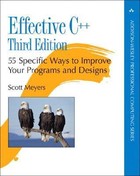
Effective C++: 55 Specific Ways to Improve Your Programs and Designs
The Barnes & Noble Review Since early in the 90s, working C++ programmers have relied on Scott Meyers s Effective C++ to dramatically improve …

Learn You a Haskell for Great Good!
Learn You a Haskell for Great Good! is a fun, illustrated guide to learning Haskell, a functional programming language that's growing in popularit…
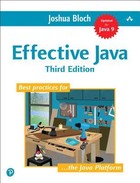
Effective Java
Since this Jolt-award winning classic was last updated in 2008 (shortly after Java 6 was released), Java has changed dramatically. The principal e…