This collection dives into smart ways to organize code, staying mostly neutral across programming languages and laying everything out clearly. It's packed with ideas that spark real improvements in how you approach projects. Every developer ought to give it a read; sure, you might not buy into every point, but a solid portion of it resonates deeply with me.
This book's a solid pick for anyone diving into coding best practices. It's super concise and loaded with practical tips that you can apply right away. Yeah, much of it echoes stuff from Code Complete or Clean Code, but you'll still uncover a few fresh insights that make it worth the quick read.
The book's advice rings true for most parts, and after two decades slinging code daily, I follow a bunch of these guidelines without thinking twice. That said, I wouldn't push it on my newer colleagues just yet—they might get bogged down in the rules without the experience to bend them wisely. Common sense has to trump rigid prescriptions every time. Overall, it's a decent launchpad for team chats on best practices.
This book's a must-have for any junior developer starting out. It pushes you to be one of those solid coders who writes clean, proper stuff every time. You'll likely flip through it again over the years, picking up fresh lessons or ditching outdated ones along the way. Those final chapters feel a tad padded and nitpicky on the details, but hey, my take might change when I dive back in six months from now.
This book is absolutely fantastic! It delivers exactly what it promises: practical, straightforward steps to boost code readability without forcing any specific language, design pattern, or architecture on you. Right from the intro, the author says it's light-hearted, fun, and no-nonsense, wrapping up in just a week or two—and boy, does it live up to that hype. Every chapter breaks down flawed or mediocre code examples and walks you through simple improvements that make a real difference. The techniques are so quick to apply; you read a section and suddenly your own code starts looking sharper. Plus, like any great author, he humbly adds an appendix with recommended books for deeper dives. What I love most is the author's down-to-earth vibe—he mentions differing schools of thought on coding styles a couple times but doesn't pick sides, just emphasizes that the goal is clean, readable code, and debates like that won't derail the book's purpose.
Figuring out the intended readers for this book proves tricky. Junior developers might brush it off as yet another generic advice tome, missing the raw stories from real projects that could hook them. Seasoned pros will probably just nod along, since they're likely already living most of these principles daily. It's not overly dry, but it doesn't spark much joy in reading either. For similar insights with better flair, grab Clean Code by R.C. Martin—he weaves advice into engaging tales from his own experiences.
The book hammers home the point that readability ought to be your main target when writing code, making it super easy to grasp. It covers a bunch of strategies to amp up that clarity, pulling in real examples from C++ and Python to show how it's done. Sure, some tips might feel familiar, but there's enough fresh insight to spark ideas for just about any coder. Reminiscent of the Refactoring book, yet it crams so much value into a slim 180 pages. Grab it if you're serious about better code.
This book packs in some fantastic tips that really hammer home why readable code matters so much. It's super easy to follow and works for coders at any skill level, staying mostly neutral on specific languages. Quick fixes might patch things up today, but they've got a way of turning into tomorrow's puzzles—who hasn't puzzled over their own code from just a few months back? Don't wait to be a pro; anyone writing code should dive into these practices now to level up their skills fast.
This book poses a real challenge to review since the folks who could benefit most from it likely won't bother, while experienced readers might breeze through without much gain. Early on, it struck me as redundant for anyone with a year or two in the field, dishing out basic pointers like steering clear of vague variable names that had me questioning if I'd even stick with it. But midway through, while scrutinizing a pull request at work, I caught a bunch of subtle readability snags—ones I'd probably make myself—and that shifted my view, highlighting how it sneaks in unexpected value. The core message hits home: we tend to code for our immediate context, forgetting the next dev, the newbie, or even our own foggy memory months later, and though it skips functional programming entirely with its C++ and Python focus, the do's and don'ts mostly ring true and serve as a solid refresher for all.
This book's a total gem and zips through in no time at all. With 15 years under my belt in development, plus having tackled Clean Code before, it spotlights those seemingly obvious bits we tend to gloss over—like slapping 'get' into method names, which hit home for me. It's the kind of read you revisit now and then to sharpen your code-writing skills, and those comics sprinkled between chapters and sections really amp up the engagement. Sure, it echoes a few ideas from Clean Code and A Philosophy of Software Design, but circling back to them keeps everything fresh and relevant.
The book holds up well enough, but with 15 years as a programmer, I kept recognizing the principles from other reads. It's solid for students or newcomers dipping their toes into the field. If you're after advanced stuff, though, skip straight to the sources it draws from.
This book outshines 'Clean Code' by a mile, even if fewer folks have heard of it. It's easily the top pick for learning to write clean code, breaking down ideas with clarity and variety while staying direct and focused. What sets it apart is the minimal bias and preaching compared to others—'Clean Code' often promotes stiff habits that aren't as helpful as they seem, but this one keeps things balanced and practical.
This book hits the spot with its straightforward style that's both clear and genuinely fun to dive into. You'll find a bunch of crisp, short examples that make everything click without dragging on. It smartly circles back to ideas from heavy-hitters like Refactoring, Clean Code, and Code Complete, refreshing them in a way that feels new and exciting.
This book dates back to 2010, yet it already comes across as somewhat outdated in today's context. The content could benefit from a revised edition that incorporates more examples of functional programming styles to keep it relevant. Without those updates, it might not fully satisfy readers looking for current insights.
This book dishes out plenty of what you'd call everyday wisdom, nothing too revolutionary there. Still, it's organized nicely and keeps things straightforward without fluff. If you're dipping your toes into the subject, it'll serve you well enough.
The examples in this book draw on programming languages that were completely new to me, turning what should have been straightforward reading into a real challenge—ironically enough. That said, the broader guidance offered at a high level feels genuinely useful and well-considered. I'll just have to figure out how to translate it into practical steps on my own.
I've got to confess that some of my own code can be a real puzzle to unpack. This book drives home why readability should be a priority in programming, and it's a solid starting point for anyone diving into the subject. It flows logically from small-scale tips like choosing strong variable names to broader strategies for organizing methods and algorithms, capping off with a practical case study that ties everything together. It's particularly useful for newcomers to coding, teams lacking a focus on clean practices, or veterans who could use a nudge back toward quality fundamentals.
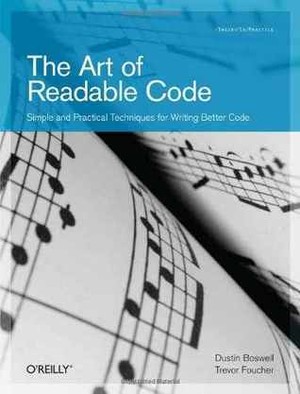
This book excels at zeroing in on readable code without veering into broader software engineering or architecture topics. Boswell and Foucher break down practical, small-scale techniques that enhance code clarity, always backing them up with solid reasoning on why they matter. While the ideas aren't groundbreaking—echoing much from Code Complete or Clean Code—it's the tight, unwavering focus that elevates it to a essential read for programmers everywhere.
This book is straightforward and super easy to read, which made it a breeze to get through. After finishing it, I noticed a real boost in how I appreciate the beauty of well-crafted code—it's like seeing programming in a fresh light. If you're into coding, it'll definitely elevate your sense of style in your scripts.
This book shines for beginners dipping their toes into development or veteran engineers looking to refine their skills. It's straightforward and brimming with solid patterns and insights that elevate your coding game significantly. The authors wisely flag the risks of overapplying their tips, keeping things balanced. It deserves a spot in every computer engineering curriculum to underscore code style's role in building top-notch software.
This book's a breezy read crammed with coding tips, but good luck recalling even half the rules after a couple of passes—might just be my scatterbrain talking. The chapter cartoons are the real highlight, turning it into the funniest code manual around, way more than the straightforward text does. It bugs me how they bounce between every programming language under the sun; I nailed the Python bits and some C, but JavaScript baffled me, and a few others were total enigmas. They'd have done better picking one main language and adding others only when it counts, instead of flitting about like indecisive bees. Even so, it planted some useful seeds that'll tidy up my future code, earning it a respectable three stars.
The book comes across as solid but nothing mind-blowing. A developer with three or four years in the field could probably piece together most of its ideas on their own. Even so, it drops a few valuable insights that stand out amid the basics.
This book packs solid advice on crafting cleaner code, like using variable names as mini-comments that reveal heaps of info without extra words. It pushes for consistent formatting to boost readability and reminds you to step into the reader's mindset, commenting only what's essential in the tightest space possible. Instead of obsessing over line counts, it advocates breaking down tricky logic, ditching unneeded variables, and refactoring sub-problems into their own spots to keep things focused and lightweight. You'll also learn to describe designs in plain English, skip reinventing basics, and make tests as readable as the main code. They wrap it up with a hands-on 'Minute/Hour Counter' example that brings all the tips to life—definitely a reference to stash on your shelf.
Boswell and Foucher pack this book with tons of practical tips and clear step-by-step examples that really showcase the art of writing readable code. Even though it doesn't dive deep into architecture or design patterns, it nails the fundamentals like smart variable naming, effective commenting, and slick formatting tricks such as aligning columns or organizing logic flow. You'll appreciate how it reinforces the 'why' and 'how' behind these habits, turning what might feel like second nature into fresh insights. What stands out most is the abundance of examples across C++, Java, JavaScript, and Python, but don't worry if those aren't your languages—the concepts shine through beautifully, and each chapter ends with straightforward summaries to lock in the key takeaways.
This book repeats every single detail already covered in Clean Code, without offering a single fresh insight. It's a total letdown if you've already absorbed that essential read. Skip it entirely and pick up Clean Code instead—it's the real deal.
This book's a gem for anyone in software development, no matter if you're just starting out or you've got years under your belt. The examples hit the mark perfectly—they're concise, straightforward, and demonstrated across various programming languages, making everything click easily. It packs in some excellent tips and strategies for crafting superior code, but it's on you to tweak them for your specific situation. That quote about focusing on explaining to humans rather than instructing computers really resonated with me.
This book offers solid guidance that's ideal for developers early in their careers. It doesn't hit like the heavy, rule-enforcing punch of Clean Code by Uncle Bob Martin, which can feel overly prescriptive. Still, these principles are much simpler to implement right away, with writing that's straightforward and welcoming.
This book proved invaluable for building solid habits in code writing, and I'd suggest it to anyone knee-deep in programming or software work. It stresses that the core principle of good code is making it straightforward to grasp, starting with precise variable and function names like Kill() over the vague Stop() to avoid misunderstandings among developers. Comments should clarify without clutter, while keeping control flows simple and nesting minimal to ease maintenance and cut down on bugs. Leveraging libraries for common tasks lets you focus on modular functions, each handling just one job, which keeps everything cleaner and more efficient.
I was pretty doubtful about diving into this book at first, convinced that clean code rules are obvious and I'm just too lazy to apply them consistently. But the humorous illustrations hooked me right away, turning what could have been dry advice into something engaging. Real-world examples back up each tip effectively, and it's sparked a real urge in me to refactor my projects for better readability.
This little book squeezes in a ton of intriguing ideas about clean code without overwhelming you. The funny illustrations really spice things up, making it easy to stay hooked on those guidelines. If you're a junior dev just starting out, grab it—it's super helpful for building good habits early.