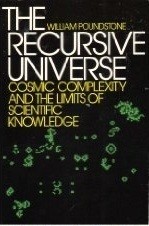
The Recursive Universe: Cosmic Complexity and the Limits of Scientific Knowledge
William Poundstone explores the profound connections between information theory, physics, and the origins of complexity in the cosmos. By using John Conways Game of Life as a central metaphor, he demonstrates how simple, repetitive rules can generate incredibly intricate patterns and life-like structures. This work bridges the gap between recreational mathematics and the fundamental laws governin…
Shelves
More like this
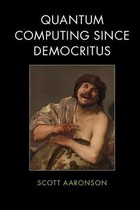
Quantum Computing Since Democritus
Written by noted quantum computing theorist Scott Aaronson, this book takes readers on a tour through some of the deepest ideas of maths, computer…
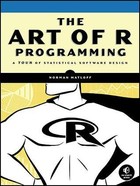
The Art of R Programming: A Tour of Statistical Software Design
R is the world's most popular language for developing statistical software: Archaeologists use it to track the spread of ancient civilizations, dr…
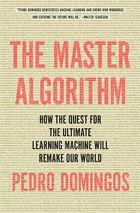
The Master Algorithm: How the Quest for the Ultimate Learning Machine Will Remake Our World
A thought-provoking and wide-ranging exploration of machine learning and the race to build computer intelligences as flexible as our own In the wo…
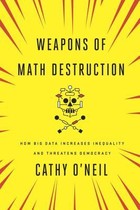
Weapons of Math Destruction: How Big Data Increases Inequality and Threatens Democracy
We live in the age of the algorithm. Increasingly, the decisions that affect our lives--where we go to school, whether we can get a job or a loan,…
Reinforcement Learning: An Introduction
Richard Sutton and Andrew Barto provide a clear and simple account of the key ideas and algorithms of reinforcement learning. Their discussion ran…
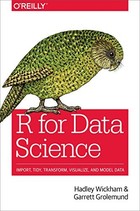
R for Data Science: Import, Tidy, Transform, Visualize, and Model Data
Learn how to use R to turn raw data into insight, knowledge, and understanding. This book introduces you to R, RStudio, and the tidyverse, a colle…
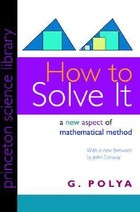
How to Solve It: A New Aspect of Mathematical Method
A perennial bestseller by eminent mathematician G. Polya, How to Solve It will show anyone in any field how to think straight. In lucid and appeal…
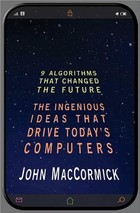
Nine Algorithms That Changed the Future: The Ingenious Ideas That Drive Today's Computers
Every day, we use our computers to perform remarkable feats. A simple web search picks out a handful of relevant needles from the world's biggest …
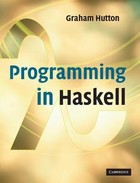
Programming in Haskell
Haskell is one of the leading languages for teaching functional programming, enabling students to write simpler and cleaner code, and to learn how…
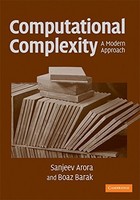
Computational Complexity: A Modern Approach
This beginning graduate textbook describes both recent achievements and classical results of computational complexity theory. Requiring essentiall…
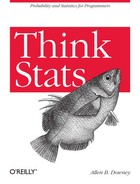
Think Stats
If you know how to program, you have the skills to turn data into knowledge using the tools of probability and statistics. This concise introducti…
Algorithm Design
Algorithm Design introduces algorithms by looking at the real-world problems that motivate them. The book teaches students a range of design and a…