The Laws of Simplicity
John Maeda offers a practical framework for navigating the tension between ease of use and complex functionality in our digital world. As a professor at the MIT Media Lab, Maeda explores how businesses and designers can create products that feel intuitive rather than overwhelming. He argues that true improvement often comes from subtraction rather than addition, helping readers find sanity in an …
Shelves
More like this
Peopleware: Productive Projects and Teams
Demarco and Lister demonstrate that the major issues of software development are human, not technical. Their answers aren't easy--just incredibly …
The Clean Coder: A Code of Conduct for Professional Programmers
Programmers who endure and succeed amidst swirling uncertainty and nonstop pressure share a common They care deeply about the practice of creating…
How to Speak Machine: Laws of Design for a Computational Age
John Maeda bridges the gap between traditional design and the complex world of computer science in this insightful exploration of the digital age.…
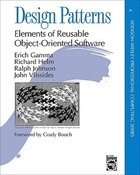
Design Patterns: Elements of Reusable Object-Oriented Software
Capturing a wealth of experience about the design of object-oriented software, four top-notch designers present a catalog of simple and succinct s…
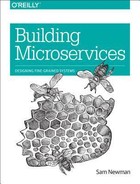
Building Microservices: Designing Fine-Grained Systems
Distributed systems have become more fine-grained in the past 10 years, shifting from code-heavy monolithic applications to smaller, self-containe…
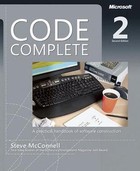
Code Complete: A Practical Handbook of Software Construction
Widely considered one of the best practical guides to programming, Steve McConnell’s original code complete has been helping developers write bett…
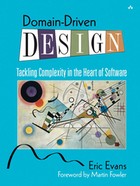
Domain-Driven Design: Tackling Complexity in the Heart of Software
"Eric Evans has written a fantastic book on how you can make the design of your software match your mental model of the problem domain you are add…
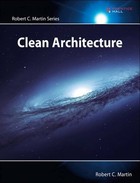
Clean Architecture
Building upon the success of best-sellers The Clean Coder and Clean Code, legendary software craftsman Robert C. "Uncle Bob" Martin shows how to b…
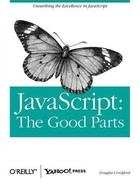
JavaScript: The Good Parts
Most programming languages contain good and bad parts, but JavaScript has more than its share of the bad, having been developed and released in a …
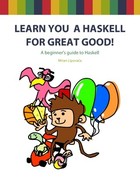
Learn You a Haskell for Great Good!
Learn You a Haskell for Great Good! is a fun, illustrated guide to learning Haskell, a functional programming language that's growing in popularit…
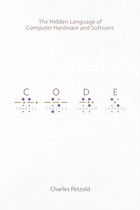
Code: The Hidden Language of Computer Hardware and Software
What do flashlights, the British invasion, black cats, and seesaws have to do with computers? In CODE, they show us the ingenious ways we manipula…
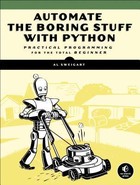
Automate the Boring Stuff with Python: Practical Programming for Total Beginners
If you've ever spent hours renaming files or updating hundreds of spreadsheet cells, you know how tedious tasks like these can be. But what if you…